יום שישי, 19 בספטמבר 2014

Zero Theorem and the chaotic mind of Terry Gilliam


I've watched Zero Theorem, the recent movie from director Terry Gilliam. Similarly to all his other movies (and to some extent also his work in Monty Phyton) - this one as well deals, on the bottom line, with the subject of CHAOS;
That chaos which surrounds us all, in our day-to-day lives. That same chaos which is behind the individual filters and interpretations we all make constantly to keep surviving inside of it, to keep maintaining our lives, to give us some alleged "feeling of order" that allows us for a kind of "daily schedule"' and gives us the ability to manifest "desires", "goals" and such.


Gilliam's brain keeps wanting to tell us the story of that chaos, in the human sense. It keeps trying, through an uncontrollable urge, to describe to us the chaoticness of the human spirit, the thin line between "reality", "fantasy", "imagination", the lack of border between them, the fact that they are all the same.
The Fisher King, Tideland, The Brothers Grimm, all deal with that. 12 Monkeys also demonstrates the hybridity of 'Time', the existence of past-present-future as a singularity, one inside the other, with no sense of "before" or "after".

Gilliam's cinema is in itself - chaos.
Rarely you will find "symmetry" in his shots, or "classical coherent story telling".
His films are full of crooked shots, bended angles, twisted camera tracks. Rarely you can see the small bubble in the spirit-level of the camera's tripod of his photographer anywhere close to the center of the little circle.


In Zero Theorem, the dealing with chaos is probably most "explicit" than in his other movies. In the futuristic world where the story resides, the main character is employed in a company that puts its goal to "make order and manage the lives of people", down to the sense of telling them what kind of foods they like, or drinks and so on...
In one point in the movie, the hero is assigned to a job where he needs to sit at a computer and "crunch data" (that's what the company's employees do) - to prove the "Zero Theorem" - a theory that states that "Everything is Zero". That chaos is everything.


Like in his other movies, you can also find in this one as well - the reoccurring sub-themes that Gilliam usually deals with: "Big brother", watching your every movement via remote cameras and all sorts of "bans", and relationships between the sexes - in the sense of a man and woman connecting to deal together with the chaos and trying to make sense of it by the connection with the other.


And, like in all other Gilliam's movies, the hero confronts (this time in a conscious way) - with the ultimate question that thrives inside the head of all Gilliam's main characters,and maybe even inside the head of Gilliam's himself, a question that usually causes them to lose their minds:

"Is it all just in my head?".


***

A few technical things:

1. The writing credits in this movie are not given to Gilliam, though it is entirely a Terry Gilliam Movie.
2. This movie feels and looks like "what would happen if you let Gilliam make "Brazil" 20 years after", in a good way.
3. The trailer of the movie creates the impression that movie is much less coherent that what it actually is (meaning, contrary to the trailer, the movie itself is more coherent, relatively to a Gilliam movie of-course :)).
4. In my opinion, this is Gilliam's third best movie, after 12 Monkeys and Fear and Loathing...


יום ראשון, 11 בספטמבר 2011

מחשבות מאוחרות על "הערת שוליים"

ב-1960 הוקרן בפסטיבל קאן סרטו של מיכלאנג'לו אנטוניוני -L'Avventura.
במהלך הסרט יש סצנה שבה הדמות הנשית מתהלכת במסדרון ארוך וריק ובחללים ריקים גדולים אחרים. הסצינה מוצגת בשוטים ארוכים ו"איטיים", שבמהלכם רואים את האישה הולכת לכל אורכו או רוחבו של החלל, ומציצה ומחפשת מדי פעם. הפעולות שלה מוצגות במלואן וכל שוט הוא ארוך ומתמשך.


בעולם ה"עריכתי" של הקולנוע יש משמעות עילאית ל'תשלובת' בין השוטים השונים, לא פחות מתוכן השוטים עצמם."קאט" במקום מסויים בין שני שוטים, לעומת מקום אחר – הוא החלטה הרת גורל שיכולה לעורר הבדלים עצומים בתפיסתו של סרט אצל הצופים, מבחינה סיפורית, תמטית, תפיסתית, הבנתית ומהרבה בחינות אחרות. וכמוהו כמובן, כפועל יוצא, גם אורכו המדוייק של כל שוט. עורכי סרטים ובימאי קולנוע חיים כביכול במעין "פוביה תמידית" – הם שואפים להצליח להניח את השוטים השונים בדיוק באורכים שיצליחו לשרת את ההעברה של מה שהם רוצים להעביר לצופים בצורה המיטבית, לחתוך לזווית אחרת בדיוק מתי שזה ישרת אותם הכי טוב.
"הפוביה", היא מלשים שוט "ארוך" מדי, כזה שכבר "ידלג" מעל ה"שיא" שלו, ועדיין יישאר על המסך "יותר מדי", בעוד הצופה מאבד את העניין;

במהלך ההקרנה הראשונה של L'Avventura, בזמן הסצינה ההיא (או אחרות דומות), כך מספרים – הקהל החל לנופף בידיו בחוסר סבלנות, ומקצת מהצופים החלו לצווח: "קאט. לחתוך!...". הסרט זכה במהלך ההקרנה לקריאות בוז מהקהל שהרגיש שהקצב ה"איטי" של הסצינות שלו הן בלתי נסבלות. 
הבחירה של אנטוניוני להציג את הסצינה בצורה הזאת הייתה כדי להראות את הנואשות, ואת חוסר האונים של האישה בחיפוש שלה.
בהקרנה השנייה של הסרט בפסטיבל קאן, דרך אגב, הוא זכה ב Jury Prize.


השוט הפותח של "הערת שוליים" (או אחד השוטים הפותחים, למקרה ששכחתי איזה שוט או שניים לפניו) – הוא שוט ארוך, שמשתרע על דקות ארוכות. המצלמה ממוקדת על גיבור הסרט ועל הדמות הראשית השנייה (בנו). פרצופיהם ממלאים את רוב חלל הפריים, בקלוז-אפ חודרני. מסביבם, בהיכל הגדול בו הם ישובים יחד עם קהל אנשים, מתחולל אירוע משמעותי במימדים של הסרט, הסאונד מייצג את התנהלות הארוע באמצעות קולו של הקריין-המנחה – אך המצלמה לא נעה ולא משה מפניהם מלאי ההבעה של הגיבורים, וזווית הצילום אינה משתנה.


תנועת המצלמה היחידה שמתרחשת, היא אחרי שהבן קם לנאום – והמצלמה מתקרבת בדולי אין כדי שרק פניו של האב יכסו את הפריים בתקריב. זו החלטה נועזת, יחסית, מצד יוצרי הסרט "ללכת" על השוט הארוך הזה ובעקבות הוראות בימוי מדוייקות ומוקפדות והבנת השחקן את דמותו ואת עולמה – השוט הזה עובד, ואורכו יחד עם פניו מלאי הבעת המתיחות של שלמה בראבא – משרתים את המטרה.

השוט הארוך לא מייצג את הקצב והאורך של כל הסרט בכללותו – אבל הוא כן מייצג את הסגנון שלו מבחינת יצירת ההזדהות עם הגיבור וה"כניסה לקרביים" שלו, שהסגנון גורם לצופים לחוות.
הסרט עשוי כולו בסגנון של "ריאקשנים של הגיבור". הוא מורכב משוטים מוצלחים מאוד של "נקודות מבט", שמעבירים לא רק את מה שהגיבור "שם-לב" אליו או חושב עליו ברגעים הנתונים, אלא באמצעות הגדלים והאורכים גם את איך שכל אלה גורמים לו להרגיש ולחוש כלפי הדברים האלה. אז השוטים חוזרים לצילומי תקריב של פניו ההבעתיים של הגיבור כדי להעשיר את התחושה הזאת.
בשימוש "נכון" - זו היא דרך אפקטיבית להעביר "עולם פנימי" של דמות, והסרט מצטיין מאוד בלעשות שימוש מושכל ו"יעיל" של הדרך הזו ובכך מצליח ליצור הזדהות עם גיבוריו, עם עולמיהם ועם מאוויהם הפנימיים.

הוא גם עושה זאת באמצעים שהופתעתי מאוד לראות שנעשה בהם שימוש בסרט הזה – אמצעים "פוסט-מודרניים" דוגמת טקסטים הסברתיים מלווים בריצוד שקופיות "מתחכמות" ומהירות שמתחלפות ומציגות במהירות "פריטי מידע חשובים" והומוריסטיים על חייהם ועולמם של הדמויות – (א-לה פייט קלאב או 501 ימים של סאמר ועוד כהנה...) – אלמנטים מהסוג שיכולים לגרום לאנשי קולנוע פורמליסטים וקונפורמיים להתהפך בכיסאות הגלגלים שלהם. ולמרבה ההערכה – גם זה עובד ורק משרת טוב את הסרט.

Narrator: Let me tell you a little bit about Tyler Durden

העבודה הבימאית בסרט מדוייקת, מהוקצעת ומוקפדת למופת. מהפריימינג עד המיזנסצנה. סצינה מרכזית בסרט – סצינת ה"ישיבה במשרד החינוך" – היא סצינה מופתית, מכל הבחירות שנעשו בה ובעיקר בקצב ובטון ההולך-ומתגבר-בצורה-מדוייקת שלה.


טיזר של הסצינה המוזכרת לעיל

כל השחקנים בסרט משחקים באופן משכנע ובצורה מוצלחת, דבר שאני מייחס באופן מובהק לעבודת הבימוי של יוסף סידר. במאי שמבין את דמויותיו ויודע איך להעביר ולתעל את ההבנה הזאת לשחקניו.


כשתסריטאי פוקד את מחשבו ושוקד על עבודתו, לרוב בשלב מוקדם כלשהו - התסריט שלו כבר "גמור" – אבל הוא "גמור" רק מהבחינה הזאת שכל סצינה ידועה לו "תמטית". התפקיד שלה במכלול הסיפורי ידוע לו מבחינת הדבר או הדברים שאותם היה רוצה להעביר ולהדגיש באותה נקודת זמן בסרט – אבל ההתרחשות שלה –ספציפית-, ההחלטה של מה שקורה בה מבחינת שימוש האמצעים הקולנועיים – היא ההחלטה שהוא צריך למלא – להחליט ולבחור מתוך שלל אינסופי של בחירות העומדות בפניו לגבי מה "ייפול" על הדמות שלו באותה סצינה ואיך היא תפעל – לפני, תוך כדי ואחרי.
הבחירות האלה הן האלמנט שבגינו תסריטאים עומלים על תסריט חודשים ארוכים ושנים – ולהצליח למצוא את הבחירות ה"נכונות" כביכול, אלה שהכי "יתאימו" בלהעביר את האלמנט התמטי והסאב-טקסטואלי, היא לרוב עלולה להיות מטלה קשה מאוד, הגם שבמאה ומשהו שנות קיומו של הקולנוע – אין וכנראה לא תהייה "נוסחה מוחצת" לקבלת הבחירות האלה.
להרגשתי – רוב, אם לא כל, הבחירות התסריטאיות בסרט, האלמנטים שנכפו על הדמויות, המסלול שכל אחת בחרה לקחת בעקבותם, הפעולות של כל דמות פר סצינה והאינטראקציות בין הדמויות הרגישו כבחירות מאוד "נכונות", ומוצלחות במיוחד בלהעביר את "מה שצריך היה להעביר", לטעמי.


אני חושב, שסרטים כמו "ימים קפואים" (2006, דני לרנר) ו"ולס עם באשיר" (2008, ארי פולמן), סרטים שיוצריהם "הרשו לעצמם" להפליג למחוזות שיוצרי קולנוע ישראלים לרוב נמנעו או חששו מלהפליג אליהם [כנראה גם בגלל העובדה שסרטים בארץ לרוב תלויים בחסדיהם של קרנות, שבמשך זמן רב בחרו לתמוך בסרטים עם נושאים מאוד מסויימים ומקובעים וכאלה שהיו בנויים בדרכים "שמרניות"...] - הן מבחינת הנושאים שבהם הם עוסקים והן מבחינת השימוש בסגנון והאמצעים הקולנועיים ה"לא-מיושנים" - הראו לעולם הקולנוע הישראלי - שאפשר וכדאי לעשות גם סרטים כאלה, ו"הערת שוליים" הוא דוגמה מצויינת לכך.

יום שישי, 29 באוקטובר 2010

The Social Network - can you make any story into a movie?


[This  review  contains  some  spoilers  !!!]

Here's what everybody already knew:
Mark Zuckerberg was a Harvard geek who in 2004 created a social website called TheFacebook which gained a great amount of momentum and popularity within a short amount of time. In 2007 some fellow Harvard students sued Mark, claiming he stole the idea of Facebook from them, while being 'hired' by them to make a social website they conceived.

Now, ask yourself the question – can this story be made into a dramatic film?
Aaron Sorkin and David Fincher thought it can. Were they right?

The movie opens with a dialogue between Mark and his girlfriend, sitting in a date.
From that dialogue we learn that Mark is a self centered character obsessed with trying to prove his 'validity' and his intelligence. During that dialogue he unconsciously suggets that his girlfriend's 'intellectual status' is inferior to his. At the end of that scene – she breaks up with him.


This, was actually a nice way to establish and introduce a character to the audience. One of the strong points of the movie is its ability to quickly and reliably familiarize the audience with new characters in the plot.
Unfortunately, one of the weakest points of the movie – is its lack of ability to later develop those characters. 
 
Mark, broken and angry from the breakup (his inability to reconcile with his ex-girlfriend as a mean to cause him to submerge in his work is a reoccurring theme in the movie - and, again, greatly contributes to the film's strong ability to characterize its characters and explain what 'drives' them)  – closes himself inside his dormitory room, and creates a website from his laptop – that allows visitors to compare the hotness of female students by showing two pictures of them at a time. He downloaded the pictures from the registry of the different houses of the university (The sequence that shows how he 'hacks' the directories is shown with Mark's voice over "explaining" what he is doing – in "tech babble" (to establish that he is a "computer wiz") which, for those with no computer background sounds like gibberish, and for those with computer knowledge sounds way too simplistic – thereby 'falling between the lines', in my opinon).
Now, the site creates so much traffic that the internal Harvard network crashes – and Mark gets punished by the board of directors (nice anecdote: there is a facebook 'like' button on <=this article in the Harvard Crimson, from 2003 :))

This catches the attention of the Winklevoss twins; two other students who had an idea for a kind of social networking site that helps Harvard students 'socialize'. They approach Mark with their idea and asks him to program it for them. He agrees, and while working on it he realizes the potential and upgrades it in his mind to create a different website he calls 'The Facebook'. He doesn't notify the Winklevoss twins about his new project, and basically stalls the work on theirs.


Now the audience asks themselves: is Mark an asshole? Did he really stole their idea? Or did their idea was just a catalyzator for something he already thought about before? These kinds of questions are asked by the audience in several places during the plot of the movie – and never gets fully "resolved" which is also a nice aspect of the movie. But,

From this point in the movie and up until its ending – nothing stops Mark and thefacebook – from becoming a popular success. Nothing. It's all straight uphill from there (with no downhills) -  thereby eliminating the film's dramatic engine and turning him into an 'informative account' of the events that led to the popularization of Facebook – and this would have been actually probably more interesting to see as a documentary film.

The only possible obstacle to the success of Facebook is a lawsuit by the Winklevoss twins (for 'stealing' their idea) – but they only file it in a late stage, when Facebook already becomes big, and the settlements fee they get is minor compared to the size of facebook. So the movie tries to show why it took them so long to decide to sue (personal intrigues amongst themselves regarding 'self respect') – which, again, falls under the 'informative description of events' category, and not under the 'dramatic' one. Also, it shows a strange sequence of the brothers competing in a rowing contest – in slow motion with strange sound effects and editing not similar to any other part of the movie – a sequence that doesn't really seem to serve any purpose…


There is, though, the character of Eduardo Saverin – the roommate and friend of Mark, who at an early stage in the movie, Mark approaches with the idea of Facebook and asks him for economic help, while also giving him the job title of "Chief Financial Officer" for TheFacebook. In a late stage in the movie – when Facebook becomes big, Eduardo discovers that Mark, with the influence of Sean Parker (a side character based on the inventor of Napster – who at some point in the plot connects with Mark and advises him on Facebook) – had "scammed" him, when Eduardo signed a contract that allows the company to greatly reduce his share of the company upon future investments from other sources – and thereby decreasing his share of the company to less than 1%. 
Eduardo sues Mark.


Now that is interesting. There's your story;
What if… it was a movie about this Eduardo guy, a Harvard student, who gets told about an idea for a website from his friend Mark – and he helps him get the site going only to be later betrayed by him after he connects with this Sean Parker guy.
What if the whole movie was from the point of view of Eduardo? And not of that of Mark, who is really, in cinematic terms, an underdeveloped character who actually should have been a side character instead of the protagonist – who should have been Eduardo. The scene where Eduardo goes to the house in California – and we discover that he waited a long time in the airport in the rain, because Mark was supposed to pick him up - that was a good scene – and it was actually presented from Eduardo's point of view – which again should have been the view of the entire movie. The scene with Eduardo's jealous girlfriend burning down the scarf he bought for her and yelling at him for keeping his Facebook relationship status on 'single' - Also… a great scene!
But, unfortunately the movie really doesn't put that much of an emphasis at Eduardo's side of the story, which, again, should have been the main story here.

I liked the very last scene in the movie though; a nice way for the movie to 'snap back' into his main theme (the one that was instanced in the first scene of the movie).

As I mentioned, the film did manage to do a good job at characterizing the characters. Look, for example, at Mark Zuckerberg's real life Facebook profile – in his 'interests' section: 

Eliminating Desire, Minimalism, Making Things, Breaking Things.

It makes sense after watching the movie, no? :)

Also, most of the technical sides of the movie are really great. The acting is great, the directing is excellent, the dialogues are interesting and the shots are good.

As a side note to this review, I'd like to add this quote, made by Lawrence Lessig, a Harvard law school professor, taken from Wikipedia:
"Harvard law school, professor Lawrence Lessing wrote in The New Republic that Sorkin’s screenplay doesn’t acknowledge the ‘real villain’ of the story. Lessig wrote: “The total and absolute absurdity of the world where the engines of a federal lawsuit get cranked up to adjudicate the hurt feelings (because ‘our idea was stolen!’) of entitled Harvard undergraduates is completely missed by Sorkin. We can’t know enough from the film to know whether there was actually any substantial legal claim here. Sorkin has been upfront about the fact that there are fabrications aplenty lacing the story. But from the story as told, we certainly know enough to know that any legal system that would allow these kids to extort $65 million from the most successful business this century should be ashamed of itself. Did Zuckerberg breach his contract? Maybe, for which the damages are more like $650, not $65 million. Did he steal a trade secret? Absolutely not. Did he steal any other 'property'? Absolutely not—the code for Facebook was his, and the ‘idea’ of a social network is not a patent. It wasn’t justice that gave the twins $65 million; it was the fear of a random and inefficient system of law. That system is a tax on innovation and creativity. That tax is the real villain here, not the innovator it burdened."

יום שלישי, 24 באוגוסט 2010

The Time Traveler's Wife" - movie vs. book"

I've read the book much prior to watching the movie. It's one of my favorite books, and I really got "emotionally involved" while reading it. I was afraid that the movie will "ruin" the memories of the experiences I have from the book, but it didn't. Though, in my opinion the book is about 10 times better than the movie.


How do you turn a 400 pages book, with a plot that spans over about 40 years or so to a movie? You choose the most important highlight scenes of the story - and show them.
In that sense, the adaptation was right. The right moments to tell the story were chosen - but other things didn't work, in my opinion, the major of which is - the impression of a lack of understanding of the characters from the director and/or from the actors.
The story in the book is written in first person, alternating between the perspective of Henry and Claire. In that sense, the "inner thoughts", feelings and emotions of the protagonists are described in the book in length. That's one of the major things which builds the connection, emotionally, between the main characters and the reader.

Now, obviously, there are no such things as "inner thoughts" in movies, not per say. But, after reading the book and becoming so "close" and "intimate" with the characters, and having the feeling that I really know them and who and what they are - I did expect those things to somehow manifest in the characters of the movie, I did expect the "inner thoughts" to somehow "hold out" in the movie. But they didn't. And that was really disappointing for me, because I felt that in someway it is "disrespectful" for the original characters that Audrey Niffenegger had created.
I know it is pretentious of me to say so, but I think the script writer should have found better and more clever "script tricks" to encompass those "inner worlds" of the characters in the book (like for example, possibly show more of Claire working on her art works. This was a major instrument to deliver her inner emotions in some areas in the book and it can work in a movie).
Overall - I think the movie, in some ways, tried to be TOO loyal to the book - and when adapting a book for the cinema - in my opinion this is not the right way to go, more often than not.
I also, pretentiously, blame the director. In my opinion, there are many things he could have done to make the characters more alive and rich. The acting was very lukewarm. The passion between Henry and Claire which was very believable in the book - was not so in the movie (It might also has something to do with the fact that in the book it gets built in hundreds of pages and tens of events, but still). The two main actors also did no more than an okay job, in my opinion, and I think they were not the right casting for those characters. Especially Henry.
(I'm sticking with the characters that my imagination created for them when reading the book! They were way better! :P )


Ron Livingston was a good choice to play the role of Gomez, though Gomez importance in Henry's life was not emphasized enough in the movie, while it should have been. I also liked the little girl who played Claire as a kid, she was right for the role.


I think there should have been more interweaved scenes of "present" Claire and Henry scenes, with "past" Claire and Henry scenes (Henry as a man, Claire as a kid/girl) in the movie. In fact, I think most of the movie should have been like that - I think it would tell the story much better and will allow the understanding of the bonding between the couple, much like the book did. Instead, the bonding was not believable in the movie - again partly due to...
hmm... a deficient in sophistication in the acting and directing.

I also was disappointed that they didn't use the "down syndrome" thing with Dr. Kendrick (it was better).
I was also disappointed that the last scene of the book (very old Claire) was not in the movie - it would have been better then what they changed it to. I thought maybe they'll put it after the credits, but they didn't.
The whole relationship of Claire between her own family members were absent from the movie, and while that is understandable - in the book, a scene related to that relationship was the most powerful moment in the book, in my opinion, and one of those moments that greatly defined Claire and showed what she's about [I am talking about the part where Claire is searching through the locked drawer of her mother, after her mother died, and what she finds there...]

Overall, as a fan of the book, I thought the movie sometimes manages to "get close" to the powerfulness of the book, but it's still many miles away from it...

יום שישי, 20 באוגוסט 2010

מחשבות על Inception

במובן מסויים יש פה ספויילרים עקיפים לסרט. ראו הוזהרתם.
דברים שנזכרתי בהם, שקשורים באופן עקיף לסרט
1.
הפרק האהוב עליי בסידרה Star Trek: TNG ה
וא פרק שנקרא "Ship In A Bottle" (עונה שישית). זה הפרק שבו מופיעה דמותו של פרופסור מוריארטי (בפעם השנייה והאחרונה בסדרה). הדמות של פרופסור מוריארטי הופיעה לראשונה בפרק אחר ("Elementary, Dear Data") – פרק שבו דאטה הלך לשחק ב"שרלוק הולמס" בתוך ההולודק כשהוא מגלם את שרלוק. המחשב יצר בשבילו את דמותו ההולוגרפית של פרופסור מוריארטי כיריבו (כיאה לסידרת הספרים) – אבל חוכמתה של דמות הפרופסור לא הייתה מאץ' בשביל זו של דאטה – אז דאטה ביקש מהמחשב שייצור לו פרופסור מוריארטי שיהיה מספיק חכם כדי שהוא יצטרך להתאמץ כדי להתמודד איתו; לרגע נפלו כל המערכות בספינה ואז חזרו. מה שהמחשב יצר זו דמות הולוגרפית בעלת מודעות לכך שהיא דמות הולוגרפית שקיימת בתוך הולודק שנמצא בתוך ספינת חלל שמעופפת בחלל.


ב Ship in A Bottle מוריארטי מופיע שוב – עם שאיפה לצאת מחוץ לגבולות ההולודק ולהתקיים בעולם המציאותי – ויש לו תוכנית איך להשיג את זה. הוא יוצר הולוגרמה של האנטרפרייז (בתוך ההולודק), על כל חלקיה, כולל ההולודק עצמו ועל כל צוותה, וכשפיקארד ודאטה נכנסים לשם – מוריארטי מראה להם איך הוא מצליח, כביכול, לצאת מחוץ להולודק, כשלמעשה הוא רק יוצא מחוץ להולוגרמה של ההולודק לתוך הולוגרמה של הספינה. בינתיים, הוא למעשה מחזיק כבני ערובה את פיקארד ודאטה בתוך ההולגרמה של הספינה שבתוך ההולודק – ומתקשר עם אנשי הצוות האמיתיים שמחוץ להולודק כדי לגרום להם לחפש דרך אמיתית שבה הוא באמת יוכל לצאת מההולודק.


הצוות, מצידם, עולה על מזימה משלו – פיקארד ודאטה שנמצאים בתוך ההולודק שבתוך ההולודק - משתמשים בהולודק ההולוגרפי כדי ליצור בתוכו עוד הולוגרמה של כל הספינה, וכך ללא ידיעתו של מוריארטי – הם מהתלים בו כאשר הצוות החיצוני עולה, כביכול, על "דרך טכנית" להוציא אותו מההולודק, כשלמעשה הם מוציאים אותו מרובד אחד של הולודק הולוגרפי לתוך רובד אחר של הולודק הולוגרפי. הוא קונה את זה ומחליט לקחת את אהובתו ולצאת איתה במעבורת של הספינה למסע לחקר החלל. כשהצוות מורה למחשב לסיים את התוכנית – לוטננט בארקלי הטכנאי שולף מקיר ההולודק קוביית זכרון שבה שמורה התוכנית שמדמה את "החלל" שאליו נסעו מוריארטי ואהובתו.


פיקארד מעיר משהו על זה ש"מי יודע, אולי גם הם תקועים באיזו תוכנית הולודק גדולה שמישהו אחר תיכנת". ברקלי מחייך. כולם הולכים. הוא מנסה: "computer, end program". שום דבר לא קורה...
(זה פרק מלפני 17 שנה).


2. יום אחד (במציאות) היה חשוב שלמחרת אני אגיע בשעה מסויימת למקום כלשהו. לפני השינה ניסיתי "לתכנת" את המוח שלי שיעיר אותי בזמן (בנוסף לשעון מעורר) ולבסוף נרדמתי מאוחר.
בבוקר התעוררתי עייף ושפוך, הלכתי למקלחת והתקלחתי, התלבשתי ונסעתי למקום. אחרי ששהיתי שם זמן מה – קרה משהו שנראה מוזר (לא זוכר מה בדיוק) – שגרם לי להבין שלמעשה עדיין ישנתי ובעצם זה היה חלום. אז התעוררתי, התקלחתי, התלבשתי ונסעתי לשם – רק כדי לגלות שוב שעדיין לא התעוררתי ושגם זה היה חלום.
הדבר חזר על עצמו, אני חושב משהו כמו 3 פעמים. וכשבסוף התעוררתי "באמת" – מאוד היה לי קשה להיות בטוח שזו "המציאות" – ולא שוב חלום. לא הייתה לי דרך של ממש לוודא את זה. לא היה עלי סביבון מתכת קטן או משהו כזה.


אני אוהב סרטים שנוגעים בענייני "מציאות מהי?".
על הסרט
יש כמה דברים שהופכים את הסרט הזה לכזה שעובד וגורמים לו לדלג מעל מגוון ה"pitfalls" שהסרט עלול היה ליפול לתוכם:

א. הדמויות מכירות את העולם היטב. המשחק מבויים בצורה כזו שאני מאמין להם שהם "היו כבר בעבר בדברים כאלה" – ושהשיוט שלהם בעולמות האלה הוא משהו שמוכר להם, וכך תורם לתהליך הקבלה שלי של עולם הסרט ול"השהיית החוסראמון".
ב. נראה שיש בסרט מינון מוקצב ו"נכון" לאלמנטים המופיעים בו. יש פילוסופיה שמגרדת את הנושאים שהיא מדברת עליהם בצורה שמספיקה בשביל להיות מעניינת אבל לא באופן עמוק מדי כדי להיות משמים או להפוך את הסרט למסה פילוסופית. יש בו מינון מסויים של סצינות אקשן. יש בו מינון מסויים של טוויסטים והתפתחויות...
ג. הסרט מצליח לגעת בנושאים מורכבים אך להציג אותם באמצעים פשוטים.
הבימוי והעריכה הצליחו לטעמי, בעדינות אך בנחישות, ליצור סרט שבתוך כל הקומפלקסיות שלו לדמויות בו יש מטרות ברורות, מניעים נהירים, מכשולים מאוד מובהקים וכדומה. זו הסיבה העיקרית שהסרט עובד, ולא נופל, למשל, באיזה בור של "סרט ממבו-ג'מבוי של מישמש פילוסופי".


ד. באופן חיובי הסרט, בכל חלק בו, מספק בדיוק את המידע המינימלי לצופה, הדרוש לכך שיהיה אפשר לעבור לחלק הבא, שהוא – או משהו אחר, או הרחבה של המשהו הקודם.
בתחילת הסרט לי זה היה קצת קשה. כאילו, הייתה חסרה לי קצת דווקא יותר התעמקות לפני שמתקדמים הלאה. כאילו, הדיאלוג שהתנהל בין הראש שלי לבין הסרט בשלביו הראשונים היה נראה בערך ככה:
- "הממ. אוקיי, נראה לי שהבנתי. אז בעצם אם..."
- "כן, כן."

קאט. משהו אחר/הרחבה של הקודם.

- "אהה. אז כאילו..."
- "בדיוק".
קאט.
- "היי! זאת אומרת ש...!"
- "נכון".
קאט.
וכן הלאה.
זה דרש ריכוז רב יותר מהרגיל (של צפייה בסרט) - אבל בשלב כלשהו "הנקודות מתחברות" בצורה מספקת.


על השם בעברית


"התחלה?" מה התחלה? על איזו התחלה הם מדברים בדיוק?
מסתבר שהתרגום המילוני לInception זה "התחלה". אבל זה לא נראה שייך כאן.
דווקא התרגום לעברית בתוך הסרט היה סביר לטעמי. המושג Inception כשהוזכר בסרט תורגם ל"השתלה" - שזה תרגום סביר.
Inception אמור להיות כאילו ההפך מ Extraction. במקום "חילוץ/הוצאה של משהו מתוך משהו" - "הכנסה של משהו לתוך משהו" -
אני חושב שתרגום יותר מדוייק של המילה יהיה "הפנמה", צורת הפועל של "פְּנים". אני גם הייתי הולך יותר רחוק וממציא היבריד/הלחם של 'הפנמה' ו'הכנסה': 'הכנמה'.


יום חמישי, 4 במרץ 2010

שבוע סוף החדש!

הסכר נפרץ
צוות הכותבים רחב ההיקף של "שבוע סוף החדש" מורכב משני דורות של כותבים. המבוגרים יותר לקחו חלק בכתיבה בתוכניות ותיקות כמו 'זהו-זה' ו'החרצופים', והצעירים יותר מלווים כבר שנים תוכניות פאנלים למיניהם כמו "משחק מכור" ותוכניות אירוח ליליות.
אי-אילו שינויים, חלקם פוליטיים, חלקם כלכליים, חלקם מבוססים נתוני-צפייה – בערוצים המסחריים השונים ובזכייניות הטלוויזיה השונות – גרמו לכל הכותבים האלה (שרובם מכירים אלה את אלה ועבדו ביחד בעבר) להתנקז אל הפרוייקט החדש ועתיר התקציב של רשת: "שבוע סוף החדש".

הכותבים האלה הם אנשים פסיכיים (במובן החיובי של המילה) ומוכשרים שבמשך שנים הוגבלו בתוצרת כתיבתם על-ידי מחסורים תקציביים, צנזורות, דעת קהל ועריצותם של מעסיקיהם (שהם, מצידם הוגבלו על-ידי האנשים שמעליהם). אך נראה שהפעם, כתוצאה מהמאבק האימתני והעיקש בין שתי הזכייניות על ההובלה בבידור הישראלי – הוסר הרסן – והכותבים האלה יוכלו ליישם, סוף-סוף – הזיות שבעבר, בתוכניות אחרות, תמיד נדחפו למגירה.

וכך, סוף כל סוף, אחרי 24 שנים של תוכניות פאנלים עם ברברת אינסופית של אנשים היושבים מסובים ליד שולחן (שחלקן היו מצחיקות, כן?) – הועלה על מסך הטלוויזיה בפריים טיים – הומור פיזי.
המערכון שבו מיה דגן כמטפלת זרה מאכילה את שי אביבי כיקה זקן ונרגן בכף ידה החשופה ודוחפת לו את כל האוכל לתוך הלוע, שנוזל על חולצתו וניתז מפיו בזמן שהוא מדבר;
בעוד צופים רבים מסתכלים ואומרים "איייכס. זה דוחה" ומעבירים ערוץ –
אני נעמד על רגליי ומוחא כפיים לטלוויזיה – מריע לכותבים בתשואות, מריע לקברניטי רשת שהעיזו, שהיה להם את האומץ לאשר למערכון כזה לעלות לשידור בזמן צפיית שיא ומריע לשי ומיה שהלכו עם זה עד הסוף.
כן, זה דוחה – אבל זה חלק מהקסם של זה – וזה מה שגורם לזה גם להיות מצחיק.
כי גם להומור פיזי מגיע לעלות על מסכינו. גם לו יש מקום בתוכנית בידור.
ויפה שעת אחת קודם.


(אגב, למי שזה מאוד חשוב וקריטי – היה גם פאנץ' "שהצדיק" את זה בסוף המערכון. למי שהחמיץ אותו – שייצפה בו שוב).
ותוך כדי, המערכון הזה נגע גם בשכבות ומסרים מסויימים מוכרים הנוגעים לחברה הישראלית של ימינו.

כבר הספיקו גורמים בתקשורת לקטול את המערכון הנ"ל, ולפטור אותו כ"גועל נפש חסר מטרה".
הומור טוב זה לא רק "בדיחה מילולית נוקבת ומתוחכמת" - לפעמים זה גם נונסנס מעורר גועל, כפי שידעו זאת היטב ג'ון קליז, גרהם צ'פמן, טרי ג'ונס וחבריהם לחבורת מונטי פייתון:


או המערכון עם החטוף האתיופי. מי שמשום מה חשב לעצמו בעת הצפייה ש"המערכון הוא גזעני" - החמיץ בצורה מחפירה את העניין.
פרמיס של "אפילו חוטפים ערבים לא מקבלים חטוף שהוא אתיופי" - הוא בדיוק -קיצוני ומוגזם- ברמה שמערכון סאטירי שרוצה להגיד אמירה מסויימת על גזענות בישראל ובצבא - צריך להיות. והוא בדיוק אבסורדי (האתיופי מנסה לשכנע את חוטפיו: "אבל אני קצין!") כמו שמערכון כזה צריך להיות...

או, גם, המערכון של האישה הרוצה להתחתן עם החיה הכלואה והרב שמתייעץ עם צב - מערכון על גבול הנונסנס - עוד דבר שאין ממנו מספיק בתוכניות הומור ישראליות!


Saturday Night Live עושה עלייה
פורמט התוכנית, על אף שהוא נשמע ומריח קצת כמו "משהו שראינו כבר" – הוא למעשה חדשני לארץ ולא נוסה פה לעולם (או לפחות, מאז שהתחילה טלוויזיה מסחרית בארץ, כי תכל'ס 'זהו-זה' היה כזה רק עם עלילה שמתפרשת על פרק, אלא אם כן אני שוכח משהו) – תוכנית שמבוססת רובה על מערכוני אולפן – מערכונים שמבוצעים בסט מתופאר מול קהל חי ('ארץ נהדרת' למשל, היא תוכנית שמבוססת על פאנל של שחקנים שמחקים דמויות שמרביצות וואן-ליינרים ליד השולחן, ומתובלת בקצת מערכוני חוץ או אולפן שהוקלטו מראש). הפורמט הזה הוא, כמובן, הפורמט של תוכנית המערכונים הכי ותיקה בטלוויזיה האמריקאית: Saturday Night Live. והאתגר של כותבי 'שבוע סוף החדש' ויוצריה היה להצליח "לתרבת" את התוכנית וליישם אותה בצורה 'ישראלית'.
וגם כאן, לדעתי, הם עושים עד עכשיו עבודה טובה מאוד.

בנוסף, ההשקעה הגדולה והעצומה בסיגנון, בתפאורה המושקעת לפרטי פרטים ובאיפור ובתלבושות ראוי מאוד להערכה ובהחלט מוסיף לטובה ומעשיר את העולם של התוכנית.

גם היישום של עניין ה"משתתף המתחלף", כשבכל תוכנית מופיע אמן אורח בחלק מהמערכונים ביחד עם צוות התוכנית - עובד טוב ומוסיף עניין.


האינטליגנציה של אריאנה מלמד
המערכונים עובדים. הם מצחיקים. הם כתובים בצורה מהקוצעת ומדוייקת. הם מצליחים לקחת רעיונות טובים ולהשתגע איתם – ללכת איתם רחוק, למתוח אותם ולהגיע איתם לרמה שיוצרת (לדעתי ולהרגשתי, כן?) סיפוק.
הנה דוגמא טובה:


לקחת את העובדה שלשמעון פרס \המכובד\ יש ערוץ וידאו ביוטיוב – אתר שידוע ומאופיין ב-Memeים פסיכיים כגון Lolcats וה Star Wars Kid ולזווג את שני אלה ביחד – הוא רעיון קומי מצויין (ומתבקש) – והיישום גם יצא מעולה (כולל הרעיון המגניב שפרס מציע פתרונות טכניים ל'בעיה').

אריאנה מלמד, בביקורתה על התוכנית בוואינט, כותבת:
"הבעיה של "שבוע סוף" היא שכנראה לא מאמינים שם באינטליגנציה של הצופים, ומתעקשים לחזור על אותה בדיחה שוב ושוב. ככה לא מנצחים במלחמה".

אז אה.... לא.

מוטיב חוזר, הוא דבר הכרחי ורצוי כמעט בכל מערכון קומי טוב, ואין לו שום קשר ל"אינטליגנציה של הצופה".
מוזר קצת, גם, שהיא שיבחה באותו מאמר ממש את מערכון ה"אשכנזים בוכים" (המצויין!) כשכתבה: "זה קרה ב"גם אשכנזים בוכים", פרודיה מצוינת על סדרות הדרמה הנוגות ועתירות השתיקות בהן תמיד מישהו מביט מבעד לחלון ומישהו מתייסר באופן אמנותי". –
שגם הוא, כמובן, מבוסס על מוטיב חוזר - אך דחתה על הסף את שימושו של המוטיב החוזר במערכונים של הפיצוציה ושל העוזרת הזרה. הסיבה, אולי, נעוצה בעובדה שפרודיה על דרמות ישראליות מתיפייפות – מדבר אל אריאנה, בתור מבקרת תרבות ותיקה, ואילו מערכונים אחרים לא (זו רק הנחה שלי).


השימוש במוטיב חוזר הוא חשוב ותורם בשני מישורים עיקריים:

1. הוא הופך לסממן, מזהה של דמות מסויימת – בצורת משפט או התנהגות מסויימת שהדמות נוהגת לחזור עליה – 'ארץ נהדרת' עשו זאת בהצלחה יתרה בעונותיה הראשונות עם לובה, הפילוסים ועוד ועוד, SNL עשו ועושים את זה כבר מליון שנה – ואין סיבה ש'שבוע סוף החדש' לא תעשה את זה גם – והם עושים זאת בהצלחה ("המחבלים הערבים" מעולים, הכתבת שמדווחת הכול מסלון ביתה על הספה וגם שתי המאבטחות
בשדה התעופה משעשעות במוטיבים החוזרים שלהם).

2. הדבר השני ששימוש במוטיב חוזר תורם לו – הוא "הרחבה" של רעיון עד מיצוי.
אם יש רעיון טוב, אם יש פרמיס מבטיח – אין סיבה שלא לחזור על משהו שמדגיש אותו כמה פעמים בוריאציות שונות (בקומדיה, כן? בכל ז'אנר אחר זה אסור) - כי ככה הוא רק מוסיף להמחשתו הקומית.

שוב, דוגמא טובה לכך היא מערכון פרס ביוטיוב שלמעלה.
זה מצחיק להביא לפרס חתול עם פסנתר – אבל כשנותנים לו לשים מנטוס בקולה ומביאים לו לשחק עם לייטסייבר – אז זה כבר קורע ומוביל למיצוי (מבחינה חיובית).

חוץ מזה, באופן כללי ומשחר ההומור – לחזור על משהו זה מצחיק;
ואם אריאנה עדיין לא השתכנעה בזה – שתשאל את ג'ף דונהם ו-110 מליון הצופים שלו:


(תאמיני לי שגם אחרי הפעם הרביעית שהבובה של ג'ף חזרה על המשפט:
"!Silence! I kill you!" – לא הרגשתי בכלל שהוא "מזלזל באינטליגנציה שלי").


מיועדת לקהל צעיר?
אני חושב (באופן שאפשר להתווכח עליו) שהרעיונות, הכתיבה והיישום שלהם בתוכנית מדברת אל "קהל צעיר" (בני דורי, +20-30+) שמכיר טוב מאוד דברים כמו הMemeים ביוטיוב, או הבחור המעצבן ההוא בפיצוציה. אפשר אולי (באופן שאפשר מאוד להתווכח עליו) להשוות בערך את העניין ל"יריבות" האחרונה באמריקה בין ג'יי לנו לקונאן אוברייאן – צופיו הנאמנים של קונאן מורכב מצעירים בני 20 ו-30 ואילו היחידים שעדיין צופים בנסיונות העתיקים של ג'יי להצחיק הם אנשים בגילאי 60-70, שצופים בה רק כדי להצליח להירדם באמצע הבדיחה, או מטעמים נוסטלגיים.

אבל אפשר להתווכח על זה.


שחקנים שמתחברים לטקסטים
עוד אלמנט חשוב שמתבטא בתוכנית – הוא (לשם שינוי) הכבוד שרוחשים הפרפורמרים לטקסט שכתבו להם.
במעט שראיתי מהעונה הקודמת (והנוראית) – הרגשתי שרוב הטאלנטים שם לא פחות מ-בזים לטקסטים שנתנו להם ולא מאמינים בשיט למה שהם "מדקלמים" (והדבר היה ניכר מאוד בתוכנית ה"מאחורי הקלעים" שעשו על שבוע סוף הישן, למי שהצליח לקרוא את פניהם של השחקנים בחזרות) – והתוצאה כמובן הייתה ביצועים דלוחים שנראו כמו מערכונים של מסיבת סיום בי"ב.

הפעם, השחקנים מרביצים משחק אמין, נוקב ומשכנע. זה מרגיש כאילו הם באמת רוצים לתת מעצמם (בעוד השכנים שלהם מ'ארץ נהדרת' כבר נראים שחוקים ועייפים) – אפילו הוותיקים שביניהם כמו שי אביבי, שפעם ראשונה שאני מצליח לצפות בו בלי להרגיש "תחושת אי נוחות בלתי מוסברת" שעלתה בתוכי בכל פעם שראיתי אותו במשהו בטלוויזיה מאז 'החמישייה', כמו שזו גם הפעם הראשונה שאני מצליח לראות בטלוויזיה את שירי גדני ולהאמין למה שאני רואה.


והחיבור הזה – בין כותבים מצויינים לשחקנים מוכשרים – עושה פלאים.
הכתיבה מוציאה משחקנים שהם בד"כ מוכשרים, כמו רועי בר נתן והדר לוי, את המיטב.
מיה דגן חוזרת לימים טובים יותר (אבל לא צריכה להנחות. לעולם).
ושלומי קוריאט, שפעם הצטייר בעיני כדי "סתמי" – מפליא להפגין את יכולותיו הקומיות.
וכל השאר עושים עבודה טובה גם כן.


בניגוד גמור למה שאריאנה כתבה בכתבה שלה – אני לגמרי מרגיש שהתפקידים שניתנים לכל השחקנים – הולמים אותם ומתאימים להם בצורה מדוייקת.


לדעתי, "שבוע סוף החדש", תיזכר לימים כתוכנית קאלט. מקווה שהם לא יתקפלו שם ברשת ושימשיכו לתת דרור לשיגעונותיהם הנהדרים של הכותבים.


יובל.


*התמונות לקוחות מאתר 'רשת'.

יום שישי, 1 בינואר 2010

My thoughts on the movie Avatar

Yes, you can watch the movie, then come out of it and cry: "but it wasn't like Terminator at all!" -
but... why would it be? James Cameron is a multi-genre director and writer - who can make good action movies, good dramas and good love stories. Avatar is a tight fantasy "disney-like" love-story, and as such it is built in a somewhat "standard" formalistic fashion, for the genre. Yes, you can watch each moment of the movie and shout to yourself: "I knew exactly that that's what's going to happen" - but why would you?

If you won't suspend your disbelief and give it a rest - you will lose the movie and the tremendously wonderful things it has to offer for the viewer. In those boundaries of a fantasy fairy-tale for all of the family type of movie - the story works. The characters are in the right places - going through the right stages and voyages in a fairly believable fashion. Especially that of the female character (Neytiri), portrayed by actress Zoe Saldana (Rebooted Star Trek's young Uhura) who does a tremendous job (IMDb's trivia section states that Cameron took the crew for treks in Hawaiian jungles - to help them prepare for their roles - Saldana was wearing "warrior clothes" plus a "tail" - to get in the mood...).


Moreover, Cameron weaved into the script certain scenes that really upgrades the amount of realism and reliability of the characters (for me, at least) - specifically one memorable short shot:

SPOILER!!!!!!!11:
After Neytiri teaches Jake how to fly on those winged creatures and they fly together - there is a short shot showing them sitting on the mountain and sharing their mutual experiences from the flight - Neytiri is all hyped-up and like telling Jake something like: "I was flying near the... and then I almost hit the..." etc. - for me - this small segment of the movie bought me completely - it immediately portrayed those two characters in my mind as "real" - as this what I would expect from those two to do immediately after their flying session - to sit down and enthusiastically share the experiences with each other... from that moment on - I was sold...
END SPOILER

And there are many other touching and emotional moments in the film.

Another element the disgruntled viewer might miss-out is the amazing visual richery the movie has to offer. The movie's plot is set on an imaginary faraway jungle planet - which is filled with beautiful and visually stunning fantasy creatures, plants, trees, mountains - colorful and intensifying - a celebration for the eyes.

And the 3D is really great. While most other 3D movies makes use of the 3D in a way that looks like they're doing it just to "show-off" - this one incorporates it in a way that looks reasonable and right.
Some objects in the background are farther away than others, some objects in the foreground are closer than others and likewise for the midground - while normal 2D frames have "foregrounds,midgrounds and backgrounds" - this one has those as well - but each one of them actually consists of several different layers of depth (the foreground has several depths, the background has several depths, etc.) - thus, actually adding new ingredients to the whole concept of "frame composition".

Another cool thing about the 3D - is that the movie has 3D subtitles in Hebrew. The subtitles are actually a object in its own on the 3D space - which is usually apparent in the upmost frontal layer - though sometimes you can see other parts of the frame actually appearing "in front" of the subtitles (in those cases - the subtitles appear on the side, or on another location on the frame, so that the other frontal objects won't cover them - it's cool, makes the subtitles naturally blend into the 3D environment...)

If you are ready to suspend your disbelief - open your eyes and accept - you will find this movie to be a thrilling and an exciting experience not like any other movie you've ever seen!

יום שבת, 6 ביוני 2009

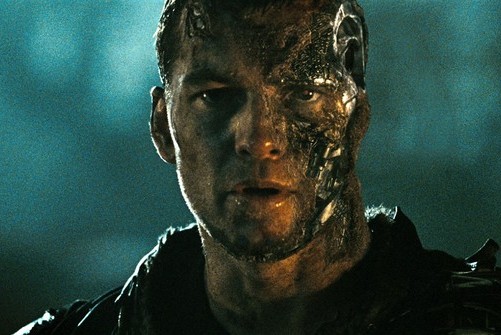
Terminator 4: Salvation

Ridiculously shallow.

In the first movies - we've seen John Connor as a boy and as a young man. We've seen how his mother turned from a feminine chick to a fighter-survivor woman - we know how she raised her son. We know much about the life of John Connor - probably as much as the script-writer himself knows. Nonetheless - In this, 4th movie - John Connor is nothing more than a side-character, almost completely static in its development.

[may contain minor spoilers:]
John meets Kyle Reese for the first time, in this movie. This encounter had so much potential to make it a little bit more exciting - yet, in this movie it lacks any emotionality (or rather, have some extremely unbelievable emotional reactions from Kyle).

All dialogue is extremely shallow - full
of cliche 'moral codes'.
Acting is unbuyable, unbelievable.
All characters are like static carton-boards, that doesn't move an inch from where they are at any point of the movie - with the small exception of the protagonist (not John Connor).
Emotional outtakes doesn't work even a bit in this movie.

The protagonist of the movie is a new character no-one ever heard of before in any of the other Terminator movies - Marcus, a character
with the cliche 'Robocop Syndrome' (he used to be human - they turned him into half-human half-machine - and then "OMG!! NO!!! the CONFLICT!!! AHH". He is the only character in this movie who experience change - and thus he is the main (and almost the only) mechanism to deliver the premise - which is, of-course - "humans are not machines - they have emotions" or something in those lines. This premise is bluntly and rudely get shouted into your viewing head several times during the movie.

And it's interesting to note, that while this movie tries to "preach" about that 'humans are not programmed machines - they have emotions and can control their own destiny' - ironically - this movie felt extremely mechanic and extremely unemotional

I also found the action-sequences somewhat redundant, though OK and nice.
The DP though, in contrary of the director, actually did a decent job on this - as the photography is pretty nice.

יום שני, 20 באפריל 2009

Susan Boyle - an overnight sensation

Susan Boyle. A plain-looking scottish 47 years old woman, went on to audition in the talent show - "Britian's Got Talent" and stunned the skeptical audience and judges with her incredible singing.

If you haven't seen the clip of her performance yet, you really should:
http://www.youtube.com/watch?v=8OcQ9A-5noM
(embedding option was canceled for this clip - so click on the link to watch it over at YouTube).

The clips of Susan's performance on the show - got over 25 million views on YouTube, in just a few days.

Someone registered the domain www.susan-boyle.com and started a Susan fan-site. One of the owners of the company that hosts that domain -says he's never seen such a rapid growth of hits to any of his sites, jupming to 400,000 hits in just a few days.

She was interviewed on the Larry King live show on CNN:


She also sang some more on Larry:


There were reports about an only recording she did in the past, in 1999, for a charity album, singing "Cry Me a River".

This performance sounds even more astounding than her performance in Britian's Got Talent.

Reports have also been made about a future duet performance with Susan and her idol singer Elaine Page.


יום שישי, 17 באפריל 2009

Ashton Kutcher vs. CNN

So, a few days ago actor Ashton Kutcher noticed something interesting about his Twitter account:


then, Larry King of CNN heard and responded:


So Ashton added, in response:


Then, Larry talked about this in his show:


Ashton said that if he'll beat CNN's "breaking news" Twitter account to a million followers before they do - he will also donate 10,000 mosquito bed nets to charity for World Malaria Day . CNN said they will match it.

Meanwhile video-game company Electronic Arts (EA) - announces on their Twitter that the 1,000,000th follower of Ashton's Twitter (if he wins) - will be made into a playable Sim character in their upcoming Sims 3 game - and he will also get free copies of every game the company will release in 2009.

Then things got even more crazy:


Meanwhile, CNN had been actually showing 'breaking news' updates in their TV channel - about the situation with this 'contest'.


Check out Ashton and his gang sitting around the house - broadcasting themselves live (with wife Demi Moore wandering around) - while watching and waiting to see if they will reach 1million before CNN does:
http://www.ustream.tv/recorded/1394392


So... did Ashton win?


The real winners - are of-course: Twitter, which just added even more public attention to their (silly little) thing, CNN, Larry King, Ashton, EA, and, yeah... maybe some 10,000 Africans got a little something from it as well
...


יום ראשון, 15 במרץ 2009

למה Watchmen הוא סרט רע.

אזהרה! יש פה המון המון ספויילרים!

אין לסרט גיבור. אין תשובה לשאלה "מי הדמות (או הדמויות) הראשית (או הראשיות) של הסרט?"
אין הבנייה של הדמויות. אין סיבה של ממש או לגיטימציה לכמעט אף אחד מהמעשים שלהם.
שעתיים וחצי של סרט - ואני לא יכול לספר לך כמעט כלום על אף דמות מעבר לכמה פרטים יבשים ושטחיים.

זה בסדר עקרונית להתחיל עלילה מ"הווה" מסויים ולבנות את הדמויות מ"סיפורים מהעבר" (למרות ש"פלאשבקים" הם הפתרון הכי קל בעולם בשביל תסריטאי - והאתגר האמיתי זה ללמד את הצופה על הרקע והעבר של דמות - דרך המעשים שלו בהווה (מה שלא קורה בכלל בסרט הזה)) - אבל גם הפלאשבקים בסרט שאמורים לגרום לי להבין את המוטיבציות של הדמויות - שטחיות להחריד.
הסצינה שהקומידיאין יושב במיטה עם דמעות ומתלונן על כמה שהעולם פאקד-אפ ("נקודת המשבר" של הדמות שלו) - הייתה קריקטורה מגוכחת, לא אמינה, חסרת גישור לשום דבר שהראו על הקומידיאן לפני זה. לא האמנתי לו לשנייה, לא רק כי המשחק שלו היה נמוך - אלא גם כי לא הראו לי שום 'דרך' אצלו, שום 'פעולה' מצידו שתגרום לי להזדהות או להבין מאיפה המשבר הזה הגיע. הסצינה שהוא הורג את הווייטנאמית (שהמגלמת שלה ניחנה באובר-אקטינג משווע!) ואז מתמרמר על ג'ון שהוא "לא עצר בעדו" היא אווילית.
ואז הקומידיאן אומר לו: "לא עצרת אותי - כי לא איכפת לך יותר בכלל מבני אנוש!" -
זו דוגמא אחת מני רבות לאיך שהתסריטאי בנה לדמויות משפטים - שפשוט מסבירים מילה במילה, בחוסר עדינות ובלי שמץ סאבטקסט - מה הקטע של כל דמות. והדבר חוזר על עצמו באינספור הזדמנויות בסרט; דמות אומרת "לי" - מסבירה לצופה באופן מילולי ובוטה: "אני מרגיש X! אני הולך לעשות עכשיו Y בגלל ש-Z" - במקום להראות את זה דרך פעולות או אלמנטים עלילתיים - כמו בסרטי קולנוע נורמליים.


אחד מהאלמנטים הכי בסיסיים ואלמנטריים בתסריט, מעין "כלל ברזל" - הוא להחליט דבר ראשון - מי ה"מספר", כלומר מאיזו נקודת מבט אנחנו רואים את הסיפור, דרך מי אנחנו "חווים" אותה. ברגע שמחליטים על זה - יש קו עלילתי ברור, והמאורעות שנגלים לצופה תמיד מתקשרים לאותו מספר (שהוא לרוב הדמות הראשית בסרט) - וכך בד בבד גם נבנית דמותו ומשתנה בהתאם למאורעות.

זה לא קרה בסרט הזה.
פתאום אני עם רורשך - ושומע ווייס אובר שלו מקריא מהיומן שלו - פתאום אני עם דמות אחרת לגמרי.

אני אוהב בד"כ סרטים שעושים "שילוב" של כמה סיפורים. אבל יש סרטים שזה עובד כי עשו את זה באופן מוצלח. ב Pulp-Fiction כל סיפור - הוא סיקוונס מהוקצע ומובנה בפני עצמו. שברור בו מי הן הדמויות הראשיות, ברור דרך מי אנחנו חווים את הסיפור (וברור מהו) - והקישור בין הסיפורים השונים נעשה באמצעות כל מיני אלמנטים מקשרים ברורים בין הסיפורים של הדמויות.

ב-Watchmen יש קפיצות לולייניות לא ברורות בין איזה 5 נקודות מבט שונות - וקפיצות אקרובוטיות בין זמנים - שמבלבלות את הצופה ומסובבות לו את הראש - ועושות רושם שכאילו הסרט נערך על-ידי עורך חובבן.

הקישורים בין הקפיצות האלה - כמעט ולא קיימים אם בכלל.
פתאום אנחנו קופצים לסיקוונס פואטי שמנסה להראות לנו עד כמה אנושיים ו"שבירים" הם גיבורי-על כשהם בלי התחפושת - ועד כמה התחפושת שלהם היא "מעטה" שמחפה על האנושיות שלהם - ורק כשהם עוטים בה הם מרגישים "על-אנושיים" (או לחלופין "מה שהם באמת") (אני מדבר על הסיקוונס עם Night-Owl וההיא, עם סצינת המין האימפוטנטית -> בוא נשים תחפושות ונציל אנשים -> סצינת מין לוהטת וצבעונית כי עכשיו אנחנו בתחפושת). זו הייתה דווקא סצינה יחסית סבירה ויחסית בנוייה טוב ומצליחה להעביר משהו (על אף שבבוטות האופיינית של הסרט)- אבל... מנותקת לגמרי מהתמה של כל שאר הסרט - ולא מקושרת באף מקום או דרך לפרמיס הראשי של הסרט. מעין אנקדוטה מבודדת שהיוצרים כאילו "דחפו בכח" לסרט.

הפלאשבק מהילדות (=בואו נסביר לכם איך הגעתי למה שאני היום) של רורשאך היה אדיוטי - לא עזר לי להבין או לקבל איזה הבנה לדמות שלו - מעבר לרמה שטחית ("מישהו הרביץ לי כשהייתי קטן - אז התחלתי לשים מסכה ולהיות אלים?")

ויש כל-כךךך הרבה דברים בסרט שחוזרים על עצמם - שוב ושוב ושוב - ואומרים בדיוק את אותו הדבר שכל מופע נוסף שלהם מעבר לראשון נראה חסר-תכלית עלילתית של ממש - חסר תרומה לאיזושהי התפתחות לסרט, לסיפור או לדמויות;
הסמל הצהוב של הקומדיאן נופל בהילוך איטי. ואח"כ שוב, הוא נופל, בהילוך איטי. ושוב, הנה, הוא מתגלגל, ויש קלוז אפ עליו, והוא נופל עוד פעם, ותיראו איך הוא נופל! ויש עליו כתם דם.
בסדר, הבנו! הdownfall של הקומידיאן. אוקיי - מספיקה פעם אחת!
או כשרורשאך עובר מבחן רורשאך (אה, שנון).
- "מה אתה רואה פה?" (רואים דם, אלימות, מכות וכו').
- (עונה תשובה שליווה וסתמית).
- "ומה אתה רואה פה?" (דם, אלימות, מכות).
- (תשובה שליווה וסתמית).
- "ופה?" (אלימות)
- (תשובה סתמית).

וכו'.
יצאתי מהסרט בהרגשה כאילו התסריטאי כתב דראפט, קרא אותו ואז אמר לעצמו:
"הממ.. זה לא נראה לי מספיק מובן. נוסיף הסבר. המממ... גם זה לא מובן... נוסיף עוד הסבר" - וכך, ערך והוסיף עוד ועוד הסברים, יותר ויותר מופשטים, בוטים ו"מאכילים בכפית" - עד שיצא לו מישמש אחד גדול שמשלב מינימום פעולות ('פעולה' של דמות זה חומר הגלם הבסיסי של תסריטאי קולנוע וזה שהוא אמור להשתמש בו הכי הרבה כדי לספר את הסיפור. שאר אלמנטים, כמו דיאלוגים, ווייס-אוברים ופלאשבקים - הן "שכבות נמוכות יותר" (או "גבוהות" אם מדברים במונחים של תכנות מחשבים) - של כלים קולנועיים לספר סיפור - שמשתמשים בהם אם זה לא מצליח בשכבת ה'פעולות' הראשונה) - עם טונה של הסברים ו"התנצלויות לצופה" על זה שאולי הוא לא מבין משהו. וגם יש תחושה מייגעת של נסיון "לדחוס" כל-כך הרבה לסרט אחד - ובגלל שלא היה מקום להרחיב על כל הדמויות שהוא רצה - נוצר מצב שכל הדמויות נותרו שטוחות להחריד (או, מניחות שהצופה קרא את הקומיקס לפני הסרט ויכול "להבין לבד" - הנחה שהיא בעיניי פסולה (לדוגמא, הסיבה ל"כתמי-הדיו" המשתנים על המסיכה של רורשאך שמוסברת בקומיקס אבל לא בסרט)).
אגב, התסריטאי יצא בהצהרה לתקשורת לא מזמן שבה הוא "מבקש מהצופים שייראו את הסרט עוד פעם". מן הסתם, הוא בעצמו יודע עד כמה מבולבל מה שהוא כתב; ובכלל, אם תסריטאי של סרט "מבקש" ממך לראות את הסרט שלו עוד פעם - זה אומר משהו על הסרט (והמשהו הזה זה לא: "הוא כל-כך עמוק ופרופאונדי - שאי-אפשר להבין אותו בצפייה ראשונה. תנו לי להבין את הסרט בצפייה ראשונה - ובצפייה השנייה "לקבל את הרובדים הנוספים" ו"לראות דברים שלא ראיתי קודם" וכאלה. את "החוש השישי" הבנתי טוב מאוד בצפייה ראשונה בלי שברוס וויליס ייצעק לי כל 5 דקות בסרט: "היי! אני בעצם מת! אתה מבין?").

וכן, הבנתי שהוא ראה לנכון להעמיס כ"כ הרבה על הסרט, כדי שכשנגיע ל"קתרזיס" ולנקודת השיא שלו, הנקודה שבה מועבר הפרמיס של הסרט (שהוא,
דרך אגב: "אוייב משותף - מביא לאיחוד וסולידריות בין כל בני-האדם". ואגב, 'פרמיס' אמור להיות משהו - שכל אחד מחלקי ופרטי הסרט איכשהו תורם או מוביל אליו לאט-לאט. מה שלא קרה בסרט הזה, כאמור, שניסה פתאום לסטות ולספר לי איזה 200,000 אנקדוטות ומשלים אחרים) ונוכל "לקבל את כובד משקלו" - אבל לי זה לא עבד. מצטער.

ואני לא מישהו ש"מסתייג מסרטי קומיקס", או משהו כזה. ספיידרמן 1 ו 2 הם מבין הסרטים האהובים עליי (שלא לדבר על the Dark Knight המופתי). Sin City היה ממש סבבה, ואפילו את 300 די חיבבתי.
וכולם אחלה דוגמאות לאדפטציות מוצלחות של קומיקס לסרט קולנוע.

Watchmen פשוט סרט רע. והדוגמאות שנתתי פה הן רק על קצה המזלג.

והבנתי שעשו אותו כמו שעשו אותו כדי "לא לפגוע במעריצים של הקומיקס" - אז פשוט "לקחו אותו", כמו שהוא בקומיקס, ו"הדביקו" אותו על 'סרט' עם שחקנים ואפקטים. לא הייתה אדפטצייה - הייתה העברה ישירה ממדיום א' (קומיקס) למדיום ב' (קולנוע) - תוך זריקה של, חוסר התחשבות ב, וחוסר העזרות בעקרונות קריטיים של מדיום ב'.

אז, מה הטעם בלעשות סרט קולנוע, אם אתה לא הולך לעשות סרט קולנוע?

יום שבת, 21 בפברואר 2009

Waltz With Bashir is nominated for 'Best Foreign Language Film' award


There's an interview with Ari Folman - with some interesting notes about the making of this fine movie.

That frame on the top is taken from a memorable scene, which I could greatly relate to when I watched it. Being a long time away from home - "trapped" in a place of conflict - one that you probably weren't personally in-charge of - you can't help yourself, but start delusioning about how much you really long for a soft, nursering, female touch; and in the midst of being in those places of war and harsh battles - you realize - that's really what you want to do now - just lay there, and rest.

I was in the Israeli army from 1999 to 2002.


יום שלישי, 9 בדצמבר 2008

Zack and Miri Make a Porno


Kevin Smith
fell in love with Seth Rogen the day he watched The 40 Year Old Virgin on his DVD. As he writes in his blog:

"...I knew I wanted to work with the guy when I watched him play a video game with Paul Rudd’s character and utter “I’m ripping your head off right now. It’s off and now I’m throwing it at your body. FUCK you!”


The delivery of that “FUCK you!” had me rolling. I rewound that moment multiple times during that viewing".


So, he sent the guy an email, again ment
ioning how much he loved him in that particular scene, and how much he'd like him to be in his movie.
Seth replied, saying that he'd love to be in that movie - and adding how much he loves Kevin's work, and that he is the reason he started writing movies etc.
This lead to a series of email correspondence (which Kevin fully reveals in his blog), which can be basically described as Kevin and Seth lyrically licking each other's ass.
They also met in Kevin's house.

Meanwhile, Knocked Up was out, followed by Superbad - and Seth became a big star - causing Kevin to fear that Seth will be flooded with many other, possibly better movie-opportunities, or perhaps he'll just won'
t be able to find the time.
He was rig
ht - as Seth had to take a break. Kevin postponed production.
But eventually - the movie was made. And Seth Rogen was, indeed, great in that role.
For the part of Miri - Rosario Dawson, who played in Clerks 2 - was first considered by Kevin - but she was already cast to a different movie.
An exec in the Wienstein production co
mpany handed-out a list of alternative actresses for the role of Miri - which eventually lead to the decision of casting Elizabeth Banks, who was also interested to be in that project. She also did a great job in that role.


Zack&Miri is what you get from Kevin, when you let him mix a "straight"
"by-the-book" romantic comedy, like Jersey Girl* - with a witty fouled-mouth dialouges movie like Clerks;
The best of both worlds.


*Jersey Girl was the movie Kevin made before Clerks 2, and the first time he took the courage to stray from his usual formula of "in-your-face-don't give-a-fuck" scripts and characters and tried to make a more "solidic" movie. The movie did not have great success, although, in my humble opinion - it was a really nice movie, and he did a great job writing and directing it. I think the major contribution for it to be not so succesfull - is the sociological and psychological effects from a different movie, released one year earlier, which quickly became known as one of the worst movies ever made, that starred Ben Affleck and Jennifer Lopez, who both also played in Jersey.

Zack&Miri has a simple premise, but with the writing skills of Kevin, it became a really funny movie (audience was literarey laughing their asses out loud at the cinema (Except 3 old ladies, who found themselves at the wrong place in the wrong time, and left at the middle...)) - and at the midst of being loaded with (good) shit-cock-and-pussy jokes - it also manages to be sweet and charming.


Kevin Smith has been doing the same movie over and over again (with the exception of Dogma), but each time he adds new twists and ideas - which causes you to laugh again, like you're seeing it for the first time. He's good at that.

He still couldn't resist giving his old pal, Jason Mewes, a role in the movie. And, as usual, Jay gave a funny performance...


Some fun songs are included in the soundtrack. The song played during Zack&Miri's sex scene (which fitted very nicely into the scene) is one that was not included in the offical release of the movie's soundtrack, and is one that was sought by many, to tell by the large amounts of questions in forums and sites like answers.yahoo.com.
The answer is: Hold Me Up by Live.
And you can also learn about how many was looking for it by reading the comments for the song posted in YouTube.

Another song used in a different important scene in the movie (and fits a little less nicely than the other one), is Hey by The Pixies.
This song also has some history related to Kevin - and to understand what it is, you need to watch the following videos, one after the other: